How to Diagnose an AC Running Not Cooling Without Delaying Repairs
An air conditioner that keeps running but never seems to cool the house has a way of making itself the center of attention. The thermostat says the system is on, the fan is humming, the vents are pushing air, yet the room stays stubbornly warm. People usually notice it first in one room, then another, and before long the whole house feels heavier than it should. If you have ever dealt with AC running not cooling on a humid Florida afternoon, you already know how quickly a small issue becomes a comfort problem, then a health and safety issue if indoor temperatures keep climbing.
The challenge is that this symptom can come from several different failures. Some are simple, like a clogged filter or a thermostat setting that is off. Others point to a refrigerant leak, an electrical issue, a failed capacitor, a dirty outdoor coil, or a compressor problem that needs a trained technician. The trick is not to guess blindly or keep resetting the system and hoping it catches up. A better approach is to gather a few facts quickly, narrow down the likely cause, and call for same-day AC repair Winter Haven before a minor fault becomes a major one.
Start with what the system is actually doing
The first step is not to assume the problem is the compressor or the refrigerant. It is to observe the system carefully. A lot of “not cooling” complaints turn out to be a mismatch between what the thermostat is asking for and what the equipment is delivering. If the indoor blower is on, the outdoor unit may still be off. If the outdoor unit is running, the issue may be inside the air handler. If both are running, the problem could still be airflow, heat transfer, or refrigerant-related.
It helps to stand in a few spots and feel the supply air. Is it slightly cool but weak, or is it room temperature? Does the air feel different from one vent to another? Is the thermostat dropping a degree or two over an hour, then stalling? These details matter because they help distinguish between a system that is underperforming and one that has essentially lost its cooling ability.
A system that is simply underpowered by poor airflow often keeps running without reaching the target temperature. A system with a refrigerant or compressor issue may run longer and longer with almost no temperature change. That difference can save time when you speak with a technician, and it can also keep you from delaying the repair while the house gets warmer and the equipment works harder than it should.
Check the thermostat before you touch anything else
Thermostat issues are boring, which is exactly why they get overlooked. More than once, I have seen a homeowner prepare for a serious breakdown only to discover the thermostat was set to fan only, or the temperature was set too close to the room temperature for the system to kick in properly. If the thermostat batteries are weak, the display may still work while the commands become unreliable.
Make sure the thermostat is set to cool, not heat or fan. Lower the setpoint several degrees below the current room temperature, then listen for the system to respond. If the display looks dim, flickers, or resets intermittently, the thermostat may not be communicating correctly with the rest of the system. Smart thermostats can also create confusion when schedule settings, Wi-Fi issues, or calibration problems make the room feel warmer than expected.
A thermostat problem is usually not dangerous, but it can mimic a bigger failure. If the system still blows warm air after you confirm the settings, you can move on to the mechanical side with more confidence.
Look at airflow, because weak airflow creates fake cooling problems
Poor airflow is one of the most common reasons for AC blowing warm air complaints. The unit may technically be producing cold air at the coil, but if not Go here enough air passes across that coil, the home never feels comfortable. The system will run for long periods, the compressor may ice up, and the thermostat never reaches setpoint.
The easiest place to start is the air filter. A filter loaded with dust can choke off airflow enough to make a working system seem broken. In a humid climate, a dirty filter can also contribute to frozen coils because the air moving across the evaporator becomes too limited to absorb heat properly. If the filter looks gray, matted, or visibly clogged, replace it before doing anything else.
After that, check for closed supply registers, blocked returns, or furniture sitting directly against vents. It sounds simple, but I have seen bedrooms stay warm for days because a return was covered by a rug or a vent was partially blocked by storage boxes. The system cannot move heat effectively if the air path is restricted.
If the blower motor sounds strained, squeals, or changes pitch as it runs, that is another airflow clue. The blower may be losing speed, the wheel may be dirty, or the motor may be failing. Those issues can keep the AC running not cooling even when the outdoor unit is in good shape.
Inspect the outdoor unit from a safe distance
The outdoor condenser does the heavy lifting when it comes to rejecting heat. If it is dirty, blocked, or not operating correctly, the indoor side will not cool properly. A quick visual inspection can tell you a lot without opening panels or touching wiring.
Look for grass clippings, leaves, vines, lint, or mulch crowding the cabinet. The condenser needs open space to release heat. If the coils are caked with debris, heat exchange slows down and the system may run much longer than normal. In some cases the fan will be spinning, but the air coming off the unit will feel unusually hot because the unit is struggling to shed heat.
Listen to the outdoor unit too. A healthy condenser usually has a steady hum and fan operation. If you hear the compressor trying to start, then stopping, or the fan spins while the compressor stays quiet, the issue may be electrical. A failing capacitor is a common culprit. When a capacitor weakens, the outdoor unit may not start consistently, or it may start on one cycle and fail on the next. That kind of intermittent behavior often leads people to think the system is “almost working,” which delays the repair just long enough for the problem to worsen.
Do not reach into the condenser or remove covers unless you are trained. There are stored electrical charges inside the unit, even after shutdown. A visual and audible check is enough for a homeowner in most cases.
Pay attention to signs of frozen coils or water where it should not be
Frozen indoor coils are a classic reason for AC running not cooling. When the evaporator coil freezes, air cannot pass through properly, and the system may blow air that feels weak and oddly warm. Sometimes the first sign is ice forming on the copper lines near the indoor unit. Other times the giveaway is a puddle of water after the ice melts.
If you suspect a freeze-up, turn the cooling off and set the fan to on for a few hours to help thaw the coil. Then check whether the system cools normally after restart. If it freezes again, do not keep forcing it to run. That usually means there is an airflow problem, low refrigerant, a dirty coil, or another fault that needs direct service.
Water around the air handler can be another clue. A clogged condensate drain may not cause warm air by itself, but it can lead to shutoffs or moisture issues that interfere with cooling. In Florida homes, where humidity stays high for much of the year, condensate problems often show up alongside cooling complaints. If the drain line is backed up, the unit may trip a float switch and stop cooling even though the blower continues to move air.
Listen for patterns that narrow the cause
Experienced technicians listen as much as they look. Homeowners can do the same. A system that starts normally, then clicks off after a few seconds, points in a different direction than a unit that runs continuously but barely cools. Short cycling, for example, can be caused by overheating, thermostat placement, restricted airflow, or electrical problems. It stresses the compressor and wastes energy.
A buzzing sound can suggest an electrical issue, a failing contactor, or a compressor that is trying to start and cannot. Hissing near refrigerant lines may indicate a leak, although not every leak is audible. A grinding noise from the blower usually points toward a mechanical issue in the indoor unit. Each sound gives you a rough map of where the failure lives.
If the air smells dusty when the system first starts, that may just be accumulated debris on the coil or in the ductwork. If it smells burnt, shut the system down and call for service immediately. Electrical problems are not something to leave running while you “see if it clears up.”
A quick homeowner checklist before you call for service
Use this as a fast pass, not a long troubleshooting session:
- Confirm the thermostat is set to cool and the target temperature is below room temperature.
- Replace or inspect the air filter if it looks dirty or restrictive.
- Make sure supply and return vents are open and unobstructed.
- Check the outdoor unit for visible debris, ice, or unusual noise.
- Note whether the system is blowing warm air, weak air, or cycling on and off.
That short list can save a technician time, but it also helps you decide whether the problem is simple enough for immediate emergency ac repair correction or serious enough to justify fast AC service right away.
When the likely cause is refrigerant, do not wait
Low refrigerant is one of the most misunderstood AC problems. It is not normal for an air conditioner to “use up” refrigerant the way a car uses gas. If the level is low, there is usually a leak somewhere in the sealed system. That is why simply adding refrigerant without finding the leak is a temporary fix at best.
Symptoms often include warm supply air, long run times, ice on the indoor coil or suction line, and poor temperature drop even when the system is clearly working. Some systems will cool slightly during the cooler part of the day, then fall apart in the afternoon heat. That pattern often makes people wait, because the AC is “kind of working.” But partial cooling does not mean the problem is minor. A leak left alone can damage the compressor and drive repair costs higher.
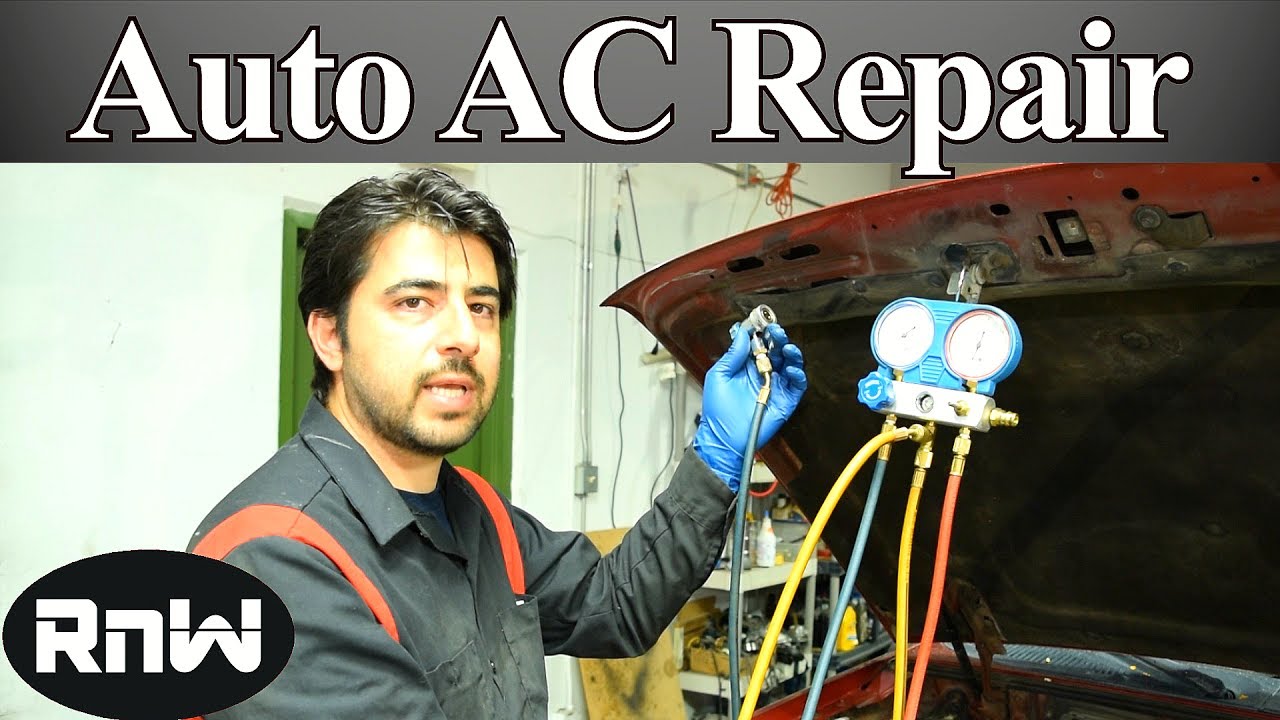
If you suspect refrigerant issues, that is the point to stop experimenting. A licensed technician can check pressures, inspect for signs of leaks, and determine whether the system needs repair rather than repeated topping off.
Electrical failures can look like cooling problems
Not every cooling issue is caused by the refrigeration side. Capacitors, contactors, relays, breakers, fuses, and wiring all affect whether the system can start and stay on. A system may appear to run because the indoor fan comes on, but if the outdoor compressor never starts, the house will not cool.
One practical clue is this: if the thermostat calls for cooling and you hear the indoor blower but the outdoor unit stays silent, there is likely a problem in the outdoor circuit. If the breaker trips repeatedly, do not keep resetting it. That is a sign of a fault, not a nuisance. Repeated breaker trips can point to a compressor drawing too much current, a motor issue, or a short in the wiring.
Electrical failures often become more common in very hot weather because the system is under load for longer periods. That is one reason homeowners call for same-day AC repair Winter Haven after a unit stops keeping up in the middle of a heat spell. Waiting overnight may not be practical when the equipment is already running flat out and failing to cool the home.
Decide quickly whether the issue is safe to monitor or needs immediate service
There is a difference between a minor maintenance issue and a developing mechanical failure. A dirty filter, a blocked return, or a thermostat setting error can often be corrected right away. A frozen coil, refrigerant leak, compressor noise, burning smell, or tripping breaker should move you into repair mode quickly.
The judgment call usually comes down to three questions. Is the system making a normal sound? Is the outdoor unit actually running? Is the temperature in the house trending down at all after 15 to 30 minutes of operation? If the answer to the last question is no, there is no reason to let the equipment grind along for hours. Running longer does not fix a lack of cooling, it usually magnifies the wear.
When people wait too long, a problem that could have been handled as a targeted repair sometimes becomes a more expensive job. A blower motor that struggles through one week may fail the next. A refrigerant leak can lead to frozen coils and compressor stress. A weak capacitor can cause repeated hard starts that shorten the life of the compressor. Fast intervention is not just about comfort, it is about limiting collateral damage.
What to tell the technician so diagnosis moves faster
The best service calls are the ones where the homeowner can describe the symptom clearly. You do not need technical vocabulary. You just need to be specific. The difference between “the AC is broken” and “the thermostat is calling for cool, the indoor blower runs, the outdoor unit makes a humming noise, and the air feels warm after 20 minutes” can save a significant amount of diagnostic time.
When you schedule a repair, mention when the issue started, whether it happened suddenly or gradually, whether the system is blowing warm air all the time or only part of the day, and whether you saw ice, water, burning smell, tripped breakers, or odd sounds. If the problem changes at night versus midday, say that too. Temperature, humidity, and runtime often change the way a failing component behaves.
That level of detail helps a technician decide what to bring, which tests to run first, and whether the issue sounds like airflow, electrical, refrigerant, or a failed mechanical part. It also helps separate a nuisance call from a repair that deserves immediate attention.
Why speed matters more than guesswork
An AC that keeps running but does not cool is not a mystery worth sitting on for a week. Even when the cause is something relatively simple, the system is already telling you that normal cooling has been interrupted. The longer it runs in that state, the more strain it places on motors, capacitors, coils, and the compressor. Energy use rises while comfort drops, which is a frustrating combination for any homeowner.
The fastest path to a fix is usually a calm, methodical check of the basics, followed by a prompt call when the signs point beyond homeowner maintenance. Thermostat settings, airflow restrictions, outdoor debris, ice, water, and unusual sounds can all help identify the problem before the technician arrives. If those checks do not reveal an easy answer, do not keep hoping the unit will suddenly recover on its own.
A system that is actually healthy will cool the home steadily, not just move air around. When it stops doing that, fast service is usually the smartest move. In a climate where afternoon heat can push a home from uncomfortable to miserable in a short time, waiting rarely pays off. The sooner the right diagnosis is made, the sooner the house starts feeling normal again.
Phone:
(863) 247-0271
Website:
icecoolinghvac.com
Indoor Climate Experts
296 Lake Smart Circle,
Winter Haven,
FL
33881